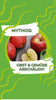
🥕 Myth: Peeling fruits and vegetables – is it really necessary?
5 min reading time
When it comes to feeding fruits and vegetables to rabbits and other rodents, you often hear the following advice: "You'd better peel it first!" But is that really true? Or is it just an outdated myth?
In this blog post, we clarify when peeling is really necessary – and when you can save yourself (and your animals) the trouble.
🍎 Why is peeling even recommended?
The main reason is clear: Pesticides and other residues on the peel. Many conventionally grown products are chemically treated – and the residues accumulate particularly on the peel. If you want to be absolutely sure, it's best to remove them.
But: This also means that many valuable ingredients lost. Because the peel often contains fiber, vitamins and phytochemicals that are good for your animals' digestion and immune system.
🥒 Peeling – yes or no?
✅ Peeling is useful in the following cases:
conventionally grown fruit & vegetables with thin, smooth shell (e.g. cucumber, apple, pear), that you Do not wash or brush thoroughly. can
products with visible residues or wax coatings
Sensitive animals with known intolerances
❌ Peeling is not necessary, if:
You Organic quality you buy or get the fruit/vegetables from the own garden origins
You the food washes thoroughly, ideally with a vegetable brush
The shell no pollutants contains and is well tolerated
You give your animals the full nutrient power would like to offer
🐰 What about rabbits and other small animals?
The digestive systems of our little furry friends are perfectly designed to process even shells – provided they are clean and free of pollutantsOn the contrary: The natural structure and fibers in the shell They promote tooth wear and intestinal health.
Rabbits are herbivores after all – they wouldn't peel an apple in nature either 😉
Conclusion
Peeling is not a must....but it's a precautionary measure. If you pay attention to the origin and wash everything thoroughly, you can feed it to your pet. with shell offer – and thus even provide a nutrient boost.
Important: Always feed in small amounts and with variety – this applies regardless of whether the tomatoes are peeled or unpeeled.